
"Monsoon Malabar"
200 article(s) found
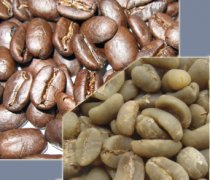
Coffee bean producing areas-Asia-India
Well-known representative coffee: monsoon Monsooned Malabar India is a country that mainly drinks tea, but its coffee production ranks first in the world, and it has both Robusta and Arabica. It is also one of several countries with washing and drying methods at the same time. The coffee growing area in India is mainly in the West Gaozhi in the south of India.

What is Indian monsoon Malaba coffee? How should India's Malaba coffee be roasted?
Professional coffee knowledge exchange more coffee bean information Please pay attention to coffee workshop (Wechat official account cafe_style) Monsoon Malaba AA Indian Monsooned Malabar AA early due to slow shipping speed, coffee raw beans exported from India to Europe absorbed moisture in a humid environment during the long transport process, thus transforming and producing a characteristic raw bean that had never been seen before.

How is India Monsooned Malabar Malaba coffee roasted? How do you drink Malaba coffee?
Professional coffee knowledge exchange more coffee bean information please follow the coffee workshop (Wechat official account cafe_style) to talk about Asian coffee, perhaps the first thing that reminds the public of is Indonesia's Mantenin. But in fact, the first country in Asia to grow coffee should be India. It is said that the coffee tree species in Indonesia was introduced by the Dutch from India in the 17th century. The famous Indian Coffee Mara

Indian Wind stain treatment Coffee Flavor how to introduce the specific process of Wind stain treatment
For the exchange of professional baristas, please follow the coffee workshop (Wechat official account cafe_style) [wheat flavor, tea flavor] India Monsooned Malabar AA | weathered beans (India Monsooned Malabar AA) production area: India Malabar raw bean treatment method: wind stain treatment grade: AA flavor introduction wheat and straw flavor, roasted nuts, dried wood, Nanyang

Coffee Bean producing area-Asia-India (India)
Well-known representative coffee: monsoon Monsooned Malabar India is a country that mainly drinks tea, but its coffee production ranks first in the world, and it has both Robusta and Arabica. It is also one of several countries with washing and drying methods at the same time. The coffee growing area in India is mainly in the West Gaozhi in the south of India.

Indian-style Malabar coffee has been favored by Europeans since the 17th century.
Professional coffee knowledge exchange more coffee bean information Please follow the coffee workshop (official Wechat account cafe_style) refined wind-stained coffee on rainy days ~ we'll talk about it later. Coffee became the number one drink in the world only 1600 years later, so the recorded history of coffee is only 400 years similar to that of Taiwan. Most people recognize that Africa is the origin of coffee.

Unique Monsoon treatment-the Story of Indian Monsoon Malaba Malabr
Professional coffee knowledge exchange more coffee bean information please follow the coffee workshop (Wechat official account cafe_style) [monsoon stains Malaba] India Monsooned Malabar country: southern India: Malaba coast in southern India altitude: 1100-1200 m varieties: Kents,S795,Catimor,selection 9 treatment method: wind stain sun treatment method 01
Introduction of coffee beans and some boutique coffee in the main producing areas of coffee beans in the world (4)
Introduction of coffee beans and some boutique coffee in the main coffee producing areas of the world: Asia and Arabian Peninsula
Boutique coffee recommends Indian coffee
There are several reasons why Indian coffee is popular with coffee lovers, but the most important is a process used on coffee beans, often called the monsooning process. Coffee production in India: coffee is grown in the Gozhi Mountains in western India, where the southwest monsoon is crucial to coffee growth. Except in Karnataka (Ka

Coffee flavors from different coffee producing areas in the world coffee producing areas in India
There are several reasons why Indian coffee is popular with coffee lovers, but the most important is a process used on coffee beans, often called the monsooning process. Coffee production in India: coffee is grown in the Gozhi Mountains in western India, where the southwest monsoon is crucial to coffee growth. Except in Kana.

Flavor and taste of Indian coffee treated by monsoon
As early as the time of the British Oriental Trading Company, coffee and spices were transported from India to large wooden ships near the Cape of good Hope. The journey took months, and the coffee was exposed to moist air and wind, changing its characteristics. The coffee turns light golden, expands, loses acidity, and has an earthy taste. Europeans like this kind of coffee and are addicted to its taste. Sue

India's coffee-producing region, Lindong, Sumatra
Coffee is grown in large quantities in the Ghats region of western India, where the southwest monsoon is crucial for coffee growth. In addition to Karnataka, fine coffee is grown in Tellichery and Malabar in Kerala in the southwest, and Tamil Nadu in the southeast, where it was formerly cultivated

The origin of coffee in India the characteristics of Indian coffee
There are several reasons why Indian coffee is popular with coffee lovers, but the most important is a process used on coffee beans, often called the monsooning process. Coffee production in India: coffee is grown in the Gozhi Mountains in western India, where the southwest monsoon is crucial to coffee growth. Except in Karnataka (Ka

Coffee appreciation Handbook Indian monsoon coffee beans treated by monsoon
Throughout the process, we can see that the taste of a cup of coffee can not be determined by a single link. Only when each link is handled properly can a cup of delicious, smooth and fragrant coffee appear in front of coffee drinkers. On the other hand, if anything goes wrong, it will completely destroy a cup of coffee information from the Coffee appreciation Handbook.

Is Indian Malaba coffee good? what is the price of Indian monsoon Malaba coffee?
Professional coffee knowledge exchange more coffee bean information please follow the coffee workshop (Wechat official account cafe_style) special taste, unique aroma-Indian coffee Malabar coffee, is one of the world's most famous boutique coffee beans, wind-stained coffee beans in Taiwan, also known as monsoon coffee beans are named after its English name Monsoon (monsoon)

The cradle of coffee-producing countries in Asia
Under the influence of Chinese culture, Asian tea culture is booming, while coffee appears to be on its own by comparison.
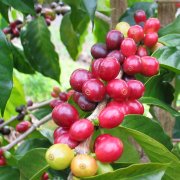
Indian monsoon coffee beans are slippery and delicious, with even granules.
Slippery and delicious coffee with uniform granules. There are several reasons why Indian coffee is so popular with coffee hobbies, but the most important is a process used in coffee beans, often called the monsooning process. In the past, passengers or goods sailed to and from India, which took about several months to reach Europe. In transit due to

Introduction to the characteristic producing area and Market of Coffee in India
Coffee production in India: coffee is grown in the Gozhi Mountains in western India, where the southwest monsoon is crucial to coffee growth. In addition to Karnataka, good coffee is grown in Tellichery and Malabar in the southwestern state of Kerala, as well as Tamil Nader (T) in the southeast.

Introduction of Indian style Malaba Flavor detailed introduction of Wind stain treatment and its effect on Coffee Bean
Parwati Coffee (Wind-stained Malaba) the most famous beans in India are Monsooned Malabar and Mysore Nuggets Extra Bold, which means monsoon, so it is also known as monsoon Malaba. In the past, raw coffee beans from India were all exported to Europe, raw in the process of shipping.

Introduction to Malaba Coffee: how to Bake Malaba Coffee and how well it is roasted
Professional coffee knowledge exchange more coffee bean information Please pay attention to the coffee workshop (Wechat official account cafe_style) wind-stained Malaba coffee beans seem to be big and fat, but they are soft beans that are strong and dry outside, a change that has taken place after months of weathering. The coffee beans have been exposed to the wet monsoon for several weeks, which not only turns the beans yellow, but also reduces the acidity of the coffee itself.